

Learning to defend yourself increases your self-confidence, your awareness, your overall health and fitness, and your ability to stay calm in stressful situations, not just how you will fight.
But which style should you learn?
The best martial arts for self-defence teach skills that work against real resistance. You need to know how to strike, protect yourself at close range, stay on your feet, escape bad positions, and make good decisions under pressure. All martial arts teach you these skills, but not all teach them in the same way. That’s why choosing the right martial art depends on how it trains you, not simply what the style is called.
What Makes a Martial Art Effective for Self-Defence?
Good self-defence training has to prepare you for someone who doesn’t cooperate. Practicing a technique alone is useful for learning the movement, but at some point, you need controlled resistance
Sparring, grappling, pad work, clinch training, and live drills teach you timing and distance. They also show you what happens when your first plan doesn’t work.
An effective martial art also needs to provide you with control over your movements. In self-defence, winning a fight is not your goal. Rather, it’s protecting yourself, creating opportunities to escape, and minimizing harm.
Your physical performance under stress is also critical. Increasing your strength, balance, speed, and endurance gives you more options when confronted.
Best Martial Arts for Self-Defence Compared
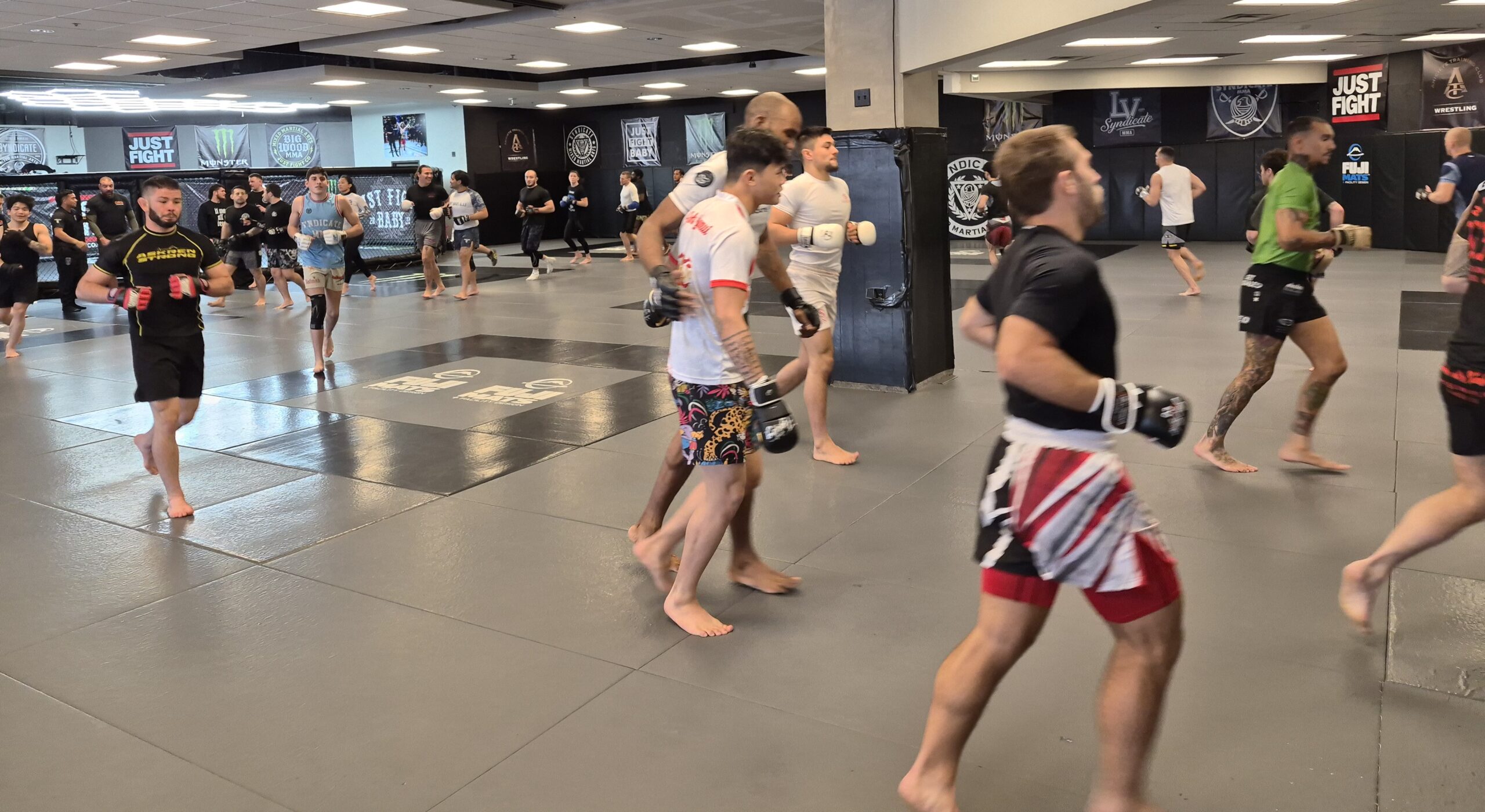
While some martial arts excel in the ability to deliver strikes, others focus on takedowns, controlling positions, or fighting on the ground.
Mixed Martial Arts (MMA)
Mixed Martial Arts combines striking and grappling. You learn how to fight while standing, work from the clinch, defend takedowns, take an opponent down, and handle yourself on the ground. You become comfortable moving between different types of combat instead of depending on one range. That’s why MMA is one of the strongest choices for practical self-defence.
Muay Thai
Muay Thai helps you develop powerful striking with punches, kicks, knees, and elbows. It also spends significant time at close range through clinch training. Regular pad work, partner drills, and sparring help you develop timing and composure. Muay Thai is especially valuable when you need strong stand-up skills.
Brazilian Jiu-Jitsu
Brazilian Jiu-Jitsu focuses on grappling, positional control, escapes, and submissions that are especially useful when someone grabs you or a confrontation reaches the ground. BJJ teaches you to use position and leverage instead of depending only on strength.
Boxing
Boxing gives you excellent hands, footwork, head movement, timing, and distance control. The experience of getting used to punches coming back at you also matters. One limitation is that boxing doesn’t normally include kicks, takedowns, or ground fighting, so combining it with grappling creates a broader skill set.
Wrestling and Judo
Wrestling and Judo teach balance, body control, takedowns, and the ability to stay strong in close contact, valuable skills in self-defence because many physical confrontations involve grabbing or clinching. Knowing how to stay standing or control where the fight goes gives you an important advantage.
Krav Maga
Krav Maga is built around practical self-defence situations rather than competition and often includes strikes, grabs, common attacks, and ways to create an opportunity to escape. Look for training that includes controlled resistance and realistic practice instead of techniques that only work when a partner cooperates.
Why MMA Provides Well-Rounded Self-Defence Training
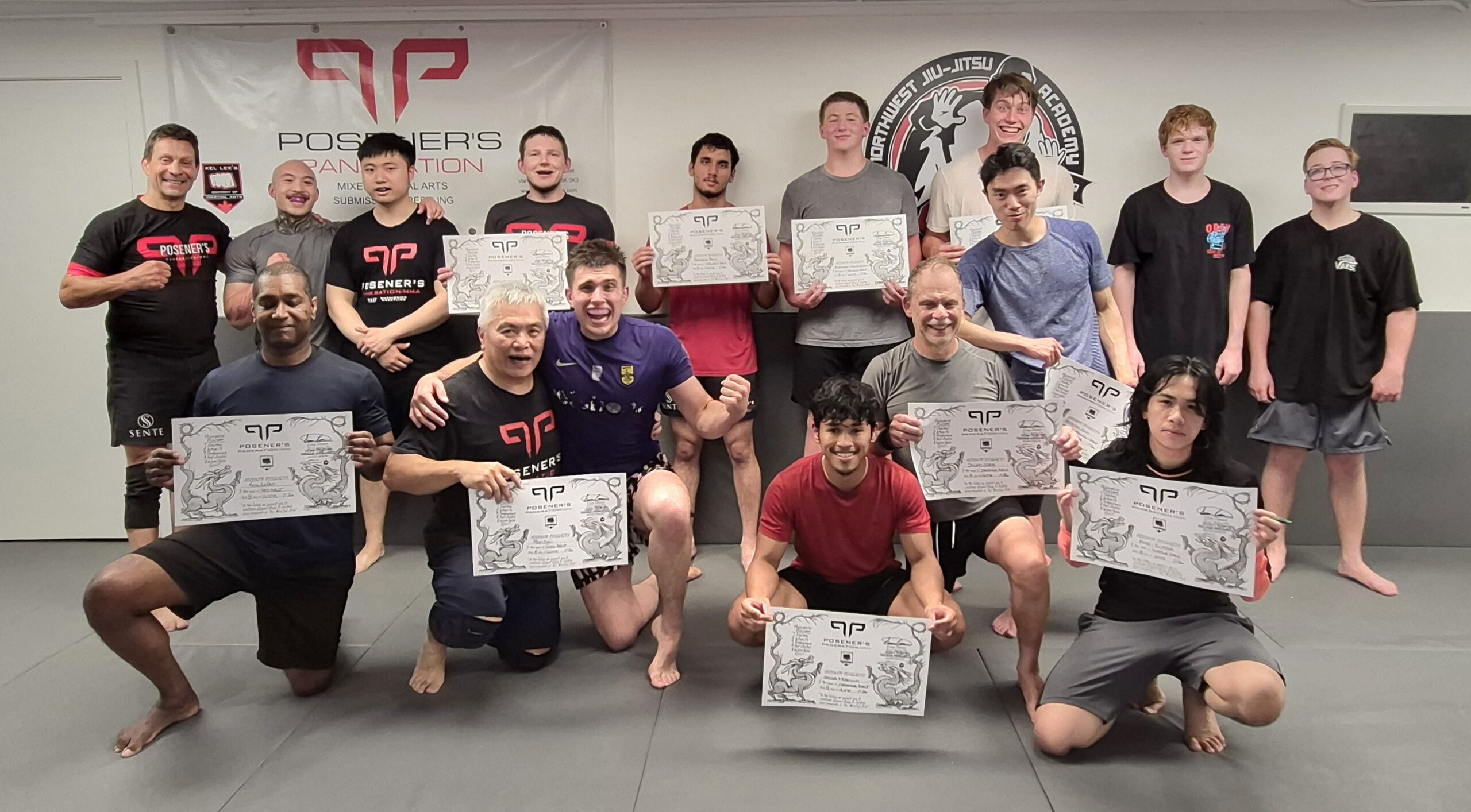
One primary benefit of MMA is that it incorporates multiple ranges of combat, since a real confrontation rarely stays confined to a single martial art.
Striking Skills
MMA striking teaches you to attack and defend while staying aware of takedowns. You learn distance, footwork, defence, and how to remain composed when someone is actively trying to hit you. That experience reduces panic and makes your reactions more natural.
Takedowns and Clinch Control
Many confrontations become close-range situations. Wrestling and clinch training help you maintain balance when someone grabs or pushes you. You also learn how to control another person’s movement and prevent yourself from being taken down.
Ground Fighting and Escapes
Since falling during a confrontation is always possible, ground training teaches you how to protect yourself, escape weak positions, get back to your feet, and control someone when necessary. Our Pankration / Mixed Martial Arts MMA training combines these different ranges instead of treating them as separate skills.
Is Muay Thai Good for Self-Defence?
Yes. Muay Thai is one of the strongest striking arts for practical self-defence because it teaches effective techniques while building the fitness and confidence needed to use them under pressure.
Punches, Kicks, Knees and Elbows
Muay Thai gives you several ways to strike depending on the distance: punches and kicks work from farther away, knees and elbows become useful at closer range. Training these skills repeatedly develops coordination, balance, power, and timing.
Close-Range Clinch Skills
You learn how to control posture, maintain your balance, work at close range, and deal with someone who is actively holding or pressuring you. The clinch is one area where Muay Thai stands apart from many striking styles.
Strengths and Limitations
Muay Thai offers strong striking, excellent conditioning, and valuable experience dealing with pressure. However, its main limitation is ground fighting. If someone takes you down, grappling experience becomes important. This is one reason Muay Thai and MMA work so well together.
Learn more about our approach to Muay Thai Kickboxing.
Is Brazilian Jiu-Jitsu Good for Self-Defence?
Brazilian Jiu-Jitsu gives you skills for situations where another person grabs, tackles, or pins you.
Controlling a Larger Opponent
BJJ teaches you to improve your position before relying on force, especially with good technique that helps you manage weight and pressure more efficiently. This gives a smaller person better tools when dealing with someone physically stronger.
Size still matters, as skill doesn’t make strength irrelevant. Rather, it gives you more effective ways to deal with it.
Escaping Holds and Ground Positions
Being trapped underneath another person can leave you vulnerable. Our Vancouver Brazilian Jiu-Jitsu classes repeatedly put you in these positions during training, so you can learn how to stay calm, protect yourself, create space, escape, and return to a safer position.
When Ground Fighting May Be Risky
Going to the ground is not always your best choice outside the gym, as you’ll have less mobility. Hard surfaces also make falling more dangerous. For self-defence, your ground skills should help you control the situation and get back to your feet when possible.
Striking vs Grappling for Self-Defence
Striking helps you manage distance and defend yourself while standing. Grappling helps when someone grabs you, tackles you, or forces the fight into close range. Training only one leaves an obvious gap, so it’s better to learn both to know how to act when a situation changes unexpectedly.
Can Martial Arts Help Against Multiple Attackers or Weapons?
Martial arts improve awareness, movement, confidence, and your ability to react under pressure. However, no martial art makes fighting several people or facing a weapon safe, especially because weapons change the level of risk. Your priority should be to avoid the confrontation and get away.
Our approach to Weapons Self-Defence Training focuses on developing awareness, timing, movement, and practical self-defence skills.
Best Martial Arts for Women, Kids and Beginners
There isn’t a type of martial arts specifically designed for women or beginners. Everyone learns based on the same fundamental ideas. What matters is good instruction, realistic training, progressive resistance, and an environment where you can improve at your own pace.
When it comes to children, the focus isn’t just learning how to fight. Good martial arts training teach the student awareness, self-control, respect, physical conditioning, and confidence. Younger students should be challenged in their training without being placed in situations that they aren’t prepared to handle.
Read more about Martial Arts for Kids in Vancouver and how younger students can build a strong foundation.
How Long Does It Take to Learn Practical Self-Defence?
You start learning useful skills from your first classes, but there is no shortcut to becoming comfortable under pressure. Your regular attendance and commitment to your training are far more important than rushing your development.
In your first months of training, you can expect to see improvements in your posture, stance, movement, basic defence, striking, balance, and awareness. With continued repetition of drills and controlled sparring, these movements become more natural.
Practical self-defence is one of those things that you continually learn and refine, as consistent practice makes your skills more dependable.
How to Choose a Self-Defence Martial Arts School
The instructor and training environment matter as much as the martial art itself. When looking for a school, watch how beginners are treated and how techniques are practised. Students should eventually work with realistic resistance while still training safely and with control. You should also feel comfortable asking questions.
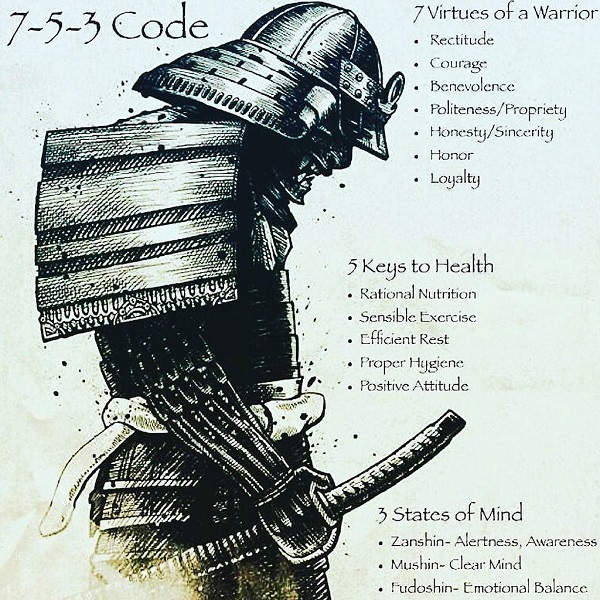
Review the school’s instructors and learn about its philosophy before deciding. A strong school should help you develop technical skill while also teaching discipline, respect, and control.
Most importantly, try a class. You will learn more from stepping onto the mats than you will from comparing styles online for another month.
Start Martial Arts Training in Vancouver
You don’t need to get fit before you start martial arts, nor do you need previous experience. Start with the basics, listen to your instructors, and give yourself time to improve.
You can also start with a free week trial and experience the classes before deciding which program fits your goals. If you are ready to begin, check our current class schedule to find a training time that works for you.
Frequently Asked Questions About Martial Arts for Self-Defence
What Is the Best Overall Martial Art for Self-Defence?
MMA is one of the best overall choices because it combines striking, clinch work, takedowns, wrestling, and ground fighting. It also gives you experience working against resistance. The quality of your instructor and how consistently you train remain just as important as the style itself.
Is MMA Better Than Muay Thai for Self-Defence?
MMA provides a wider range of skills because it includes both striking and grappling. Muay Thai offers deeper training in stand-up striking and clinch fighting. If your main goal is broad self-defence, MMA covers more situations. Muay Thai remains an excellent part of that foundation.
Can Martial Arts Help Against a Larger Person?
Yes. Martial arts teach positioning, timing, balance, movement, and technique, which help you deal with differences in size and strength. However, being larger and stronger remains an advantage. Good self-defence training teaches you to respect that reality rather than assume technique makes size meaningless.
Do You Need to Be Fit Before Starting?
No, because you develop fitness through training. A good martial arts program lets you build endurance, strength, coordination, and skill gradually. That means you don’t need to prepare yourself for martial arts by getting into shape first. Start at your current level and improve from there.
